
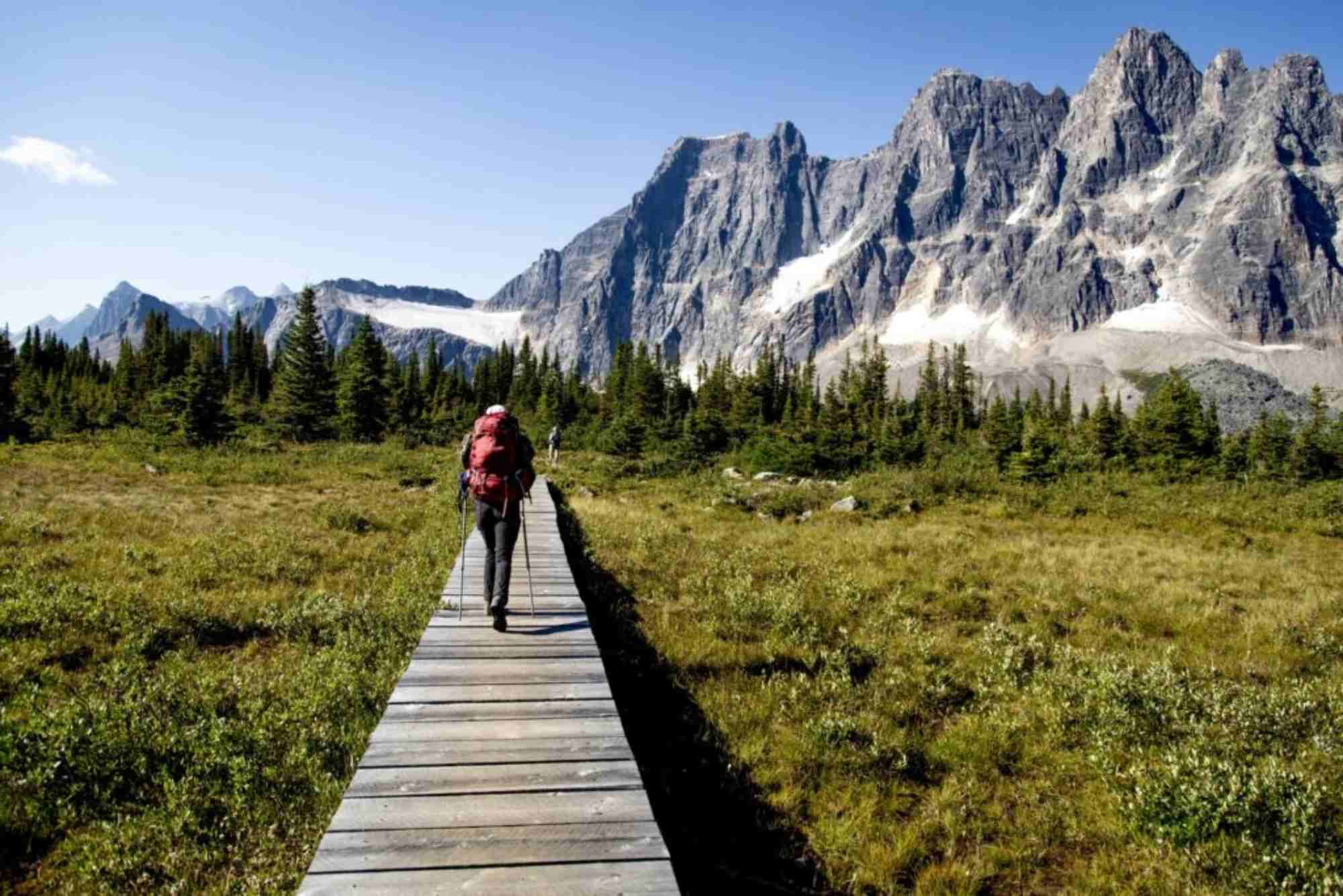
Hiking near Banff offers some of Canada’s most breathtaking landscapes, from glacial lakes to towering peaks. Whether you’re an experienced hiker or exploring the trails for the first time, understanding the routes, distances, and practical tips is essential for a safe and enjoyable adventure. This guide provides everything you need to plan a memorable hike in the Banff National Park area.
Introduction to Hiking in Banff
Banff National Park, nestled in the heart of the Canadian Rockies, is a paradise for hikers. The area’s diverse trails range from gentle strolls along turquoise lakes to challenging climbs up rugged mountains. The scenery constantly shifts, offering lush forests, cascading waterfalls, and panoramic views that feel almost otherworldly. Hiking here isn’t just a physical activity; it’s an immersive experience that connects you to nature.
The key to a successful Banff hike is preparation. Knowing trail distances, expected difficulty levels, and seasonal conditions helps you enjoy the outdoors safely. This guide highlights popular trails, distances, difficulty, and tips to enhance your hiking experience.
Popular Trails Near Banff
Johnston Canyon: Scenic Waterfalls and Catwalks
Johnston Canyon is a favorite for hikers seeking a combination of accessibility and natural beauty. The trail meanders through a narrow canyon, offering views of waterfalls and unique rock formations. Hikers can explore lower and upper sections, with distances ranging from a moderate 1.2 kilometers to a more extensive 5.4 kilometers round trip. Along the way, catwalks and bridges provide safe passages over rushing waters. This trail is ideal for families and casual hikers but still offers breathtaking scenery that captures the essence of Banff.
Sulphur Mountain: Summit Views and Hot Springs
Sulphur Mountain provides a more challenging hike with a rewarding panoramic summit view. The trail spans roughly 5.5 kilometers one-way, ascending steadily through alpine terrain. Hikers who prefer less exertion can take the Banff Gondola, though trekking the trail offers an intimate connection with the surrounding landscape. At the summit, the views over Banff town and Bow Valley are unmatched. Weather conditions can change rapidly, so hikers should pack layers, water, and sturdy footwear.
Lake Agnes Tea House Trail: Lakeside Serenity
For a mix of history and natural beauty, the Lake Agnes Trail is a top choice. Beginning near Lake Louise, this 7-kilometer round-trip hike leads to the iconic tea house perched beside a serene alpine lake. The moderate incline makes it accessible to most hikers while providing rewarding views of the surrounding mountains. The trail also passes Mirror Lake, offering a reflective photo opportunity. Visitors should bring snacks and water, as the tea house can be busy during peak season.

Sentinel Pass via Larch Valley: Autumn Wonders
Hiking to Sentinel Pass through Larch Valley is a seasonal favorite. The trail offers a moderate to strenuous challenge, extending approximately 11 kilometers round trip. During autumn, the larch trees turn golden, creating a spectacular contrast against rocky peaks. Along the trail, Trail Guide — Hiking Near Banff: Routes, Distance & Tips hikers encounter sweeping vistas, alpine meadows, and rugged terrain. This hike is perfect for those seeking a more immersive alpine experience and stunning seasonal photography opportunities.
Tips for Hiking Near Banff
Plan Your Route and Check Conditions
Before embarking on any hike near Banff, it’s essential to plan your route thoroughly. Trails vary widely in difficulty and accessibility, and some may be closed due to wildlife activity or maintenance. Checking official park websites or visitor centers ensures you are aware of trail conditions, potential hazards, and recommended equipment.
Pack Essentials for Safety
Even shorter hikes require preparation. Water, snacks, layered clothing, and sturdy footwear are basic essentials. For longer or alpine hikes, a map, compass, and emergency kit are recommended. Weather in the Rockies can be unpredictable, so carrying rain gear and extra warm layers is always a wise choice.
Respect Wildlife and Nature
Banff National Park is home to diverse wildlife, including bears and elk. Hikers should keep a safe distance, never feed animals, and follow park regulations. Staying on marked trails helps preserve fragile ecosystems and ensures your safety.
Best Time to Hike
Hiking near Banff is possible year-round, but spring to early autumn is ideal for most trails. Snow and ice can make trails hazardous in winter, though some enthusiasts enjoy snowshoeing or winter hiking with proper gear. Seasonal timing also affects wildlife sightings, trail accessibility, and scenic conditions like the golden larch trees in fall.
Enhancing Your Banff Hiking Experience
Photography and Scenic Stops
Banff’s trails provide ample opportunities for photography. Iconic spots like Lake Louise, Moraine Lake, and Johnston Canyon waterfalls are must-visits. Sunrise and sunset hikes yield dramatic lighting for landscapes, while quieter midday hikes offer solitude and wildlife encounters.
Combining Hikes with Local Attractions
Consider pairing a hike with nearby attractions such as hot springs, gondola rides, or lakeside picnics. This allows hikers to enjoy both the physical activity and relaxation opportunities in the region, making the trip more diverse and memorable.
Trail Etiquette and Leave No Trace Principles
Practicing trail etiquette ensures a positive experience for everyone. Yield to uphill hikers, avoid loud noises, and carry out all trash. Following Leave No Trace principles helps protect Banff’s natural beauty for future visitors.
Frequently Asked Questions
What are the easiest hikes near Banff?
For beginners or families, Johnston Canyon and Lake Agnes Trail offer moderate terrain with rewarding views. These trails are accessible and well-marked.
How long are the most popular Banff hikes?
Trail distances vary from 2–12 kilometers round trip. Johnston Canyon is shorter, while Larch Valley to Sentinel Pass is longer and more challenging.
Do I need a permit to hike in Banff?
Most day hikes in Banff National Park do not require a permit. However, backcountry camping or overnight trips may need permits and registration.
When is the best time to see autumn colors on the trails?
Late September to early October is ideal for seeing the golden larch trees, particularly along the Larch Valley trail.
Are dogs allowed on Banff trails?
Dogs are allowed on some trails but must remain on leash. Wildlife areas and sensitive habitats often restrict pets.
Hiking near Banff is an unforgettable experience, offering stunning scenery, diverse trails, and opportunities to connect with nature. From easy walks along waterfalls to challenging alpine climbs, there is a trail for every level of hiker. Proper preparation, awareness of trail conditions, and respect for wildlife enhance the adventure and ensure safety.