Introduction
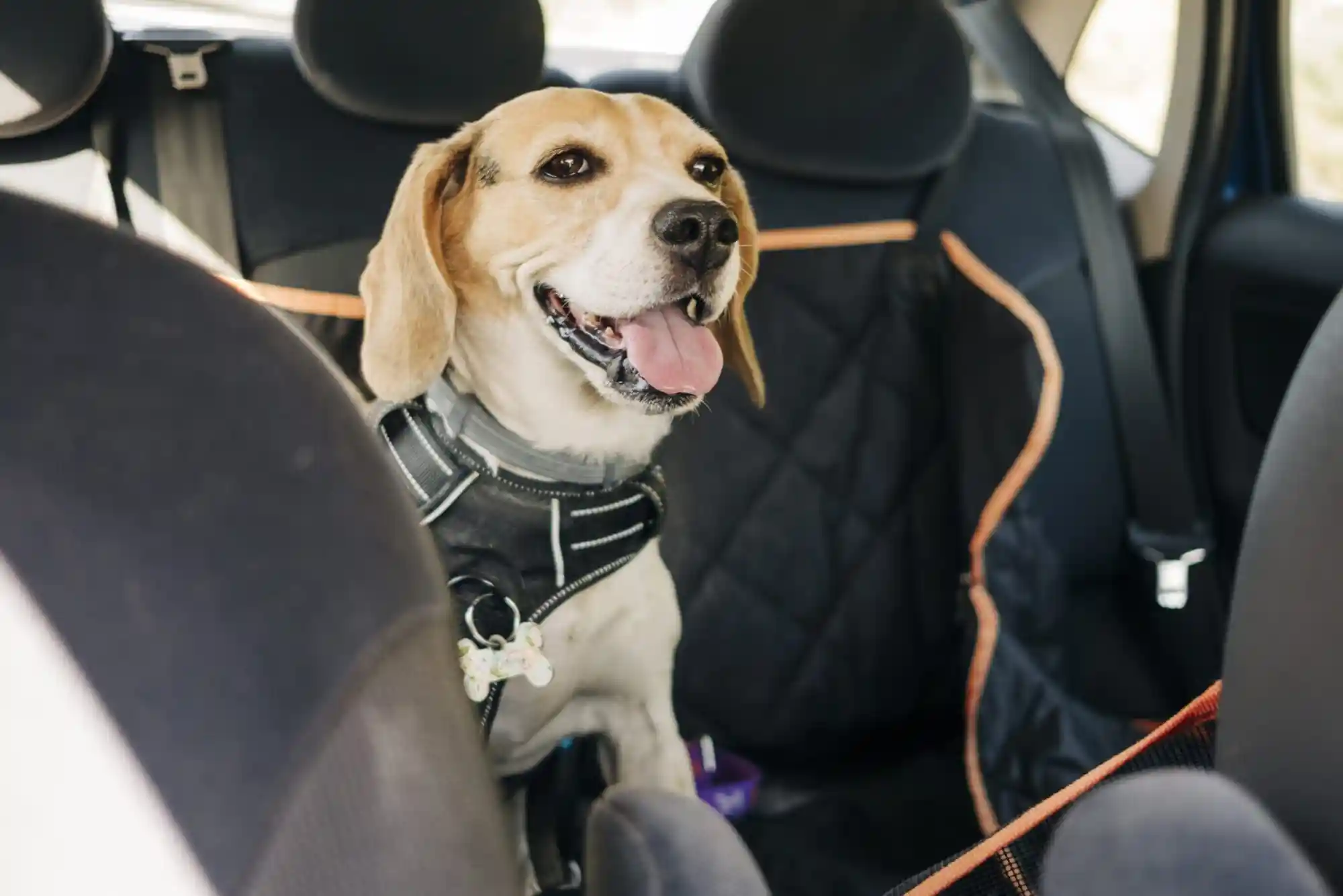
Taking your dog for a drive should be enjoyable, but an unrestrained dog can become a serious safety risk. Sudden braking, sharp turns, or a collision can send a dog flying through the cabin. A loose dog may also distract the driver or interfere with vehicle controls. That is why choosing the right dog seat belts and crash-tested car hammocks matters.
The important distinction is that not every product marketed as a “dog seat belt” has been crash-tested. The Center for Pet Safety (CPS) recommends looking for products that have undergone independent testing and certification rather than relying solely on manufacturer marketing claims.
For everyday backseat travel, the right restraint should limit your dog’s movement while distributing crash forces appropriately. A hammock can add another layer of protection by helping prevent your dog from falling into the footwell, but it should not automatically be treated as a crash restraint.
This guide explains how dog seat belts and crash-tested car hammocks work, what features matter, and how to create a safer backseat setup for short trips and longer road journeys.
Why Backseat Dog Safety Matters
Dogs often move around naturally when riding in a vehicle. They may climb between seats, look through windows, or move toward their owners. Although this behavior seems harmless during normal driving, it becomes dangerous during sudden deceleration.
A dog that is not restrained can be thrown forward during a crash. The animal can also collide with passengers, vehicle interiors, or other objects. In addition, an excited dog can distract the driver.

The American Kennel Club recommends using a crate or seat-belt harness for safer vehicle transportation.
A proper restraint therefore has two purposes. First, it helps keep the dog contained. Second, it can reduce the dog’s movement inside the vehicle.
What Makes Dog Seat Belts Safer?
Not all dog seat belts provide the same level of protection. Some are little more than short straps with clips, while others are designed to work with specially engineered crash-tested harnesses.
Crash Testing Matters
Independent testing is one of the most useful things to look for when choosing a restraint. CPS operates a certification program based on independent safety standards and testing procedures. Certified products are listed by CPS, allowing owners to verify whether a particular product has actually been evaluated.
This distinction is important because the phrase “crash tested” can mean different things. A manufacturer may have conducted internal testing, but that does not necessarily mean the product has received independent certification.
CPS research has also demonstrated why testing matters. Its early harness study found a 100% failure rate among the products tested in that particular pilot study, highlighting the limitations of assuming that a restraint is safe simply because it is sold as one.
Harnesses Are More Important Than the Tether
A common mistake is to focus on the seat-belt strap while overlooking the harness.
The tether connects the dog to the vehicle, but the harness determines how the dog’s body is restrained. A suitable car harness should be designed specifically for vehicle travel and should work with the manufacturer’s recommended attachment system.
CPS currently warns against extension tethers and zipline-style attachments because they can allow excessive movement during a crash.
For that reason, avoid assuming that a longer tether gives your dog more comfort and safety. More movement can actually mean more distance for the dog to travel before being stopped.
Are Car Hammocks Safe for Dogs?
A dog car hammock can be useful, but its purpose needs to be understood correctly.
A hammock typically stretches between the front and rear headrests and covers the backseat. It creates a contained area where the dog can lie down. It can also protect seats from fur, dirt, scratches, and muddy paws.
However, a hammock by itself should not be considered equivalent to a crash-tested harness or secured carrier.
The Best Use of a Car Hammock
The most practical setup is often a hammock combined with an appropriate crash-tested restraint. The hammock creates a comfortable backseat surface, while the restraint limits the dog’s movement.
This combination can also reduce the chance of a dog slipping into the footwell during normal driving.
The restraint still needs to be attached according to its instructions. Never improvise by connecting a tether to a collar unless the manufacturer specifically designs the system for that purpose.
Features to Look for in Dog Seat Belts and Crash-Tested Car Hammocks
When comparing dog seat belts and crash-tested car hammocks, focus on evidence and construction rather than appearance alone.
Independent Certification
Look for recognized independent testing or certification. CPS maintains a searchable list of certified safety harnesses, carriers, and travel crates.
A certification mark is more meaningful than a generic statement such as “heavy duty” or “crash proof.”
Correct Harness Size
A harness must fit your dog correctly.
A loose harness can allow excessive movement, while an incorrectly sized harness may restrict movement in the wrong places. Follow the manufacturer’s measurements rather than selecting a size based only on breed.
Check your dog’s weight and relevant body measurements before purchasing.
Strong Hardware
Pay attention to buckles, connection points, webbing, and stitching. These components experience significant forces during sudden deceleration.
CPS explains that strength testing is useful but does not, by itself, prove crash protection. A strong harness also needs to control the dog’s movement appropriately.
Secure Vehicle Connection
The connection between the harness and vehicle matters just as much as the harness itself.
Use the attachment method specified by the manufacturer. Avoid homemade modifications, extra-long extensions, or accessories that have not been evaluated as part of the restraint system.
Durable Hammock Construction
For a hammock, look for sturdy fabric, reinforced attachment points, secure headrest straps, and openings that allow proper seat-belt use.
A useful hammock should stay reasonably stable when your dog shifts position. It should not collapse into the footwell every time the dog moves.
Dog Seat Belts vs. Car Hammocks
These products solve different problems.
A dog seat belt or vehicle harness is primarily a restraint. Its purpose is to keep your dog contained and reduce movement.
A car hammock is primarily a barrier and comfort accessory. It creates a larger protected surface across the backseat and helps stop the dog from dropping into the footwell.
For many owners, using both makes sense. The hammock creates a comfortable area, while the properly fitted restraint provides the actual connection to the vehicle.
The important point is not to confuse a soft hammock with a crash-tested restraint.
How to Choose the Right Setup for Your Dog
Your dog’s size, behavior, and travel habits should influence the setup.
Small Dogs
Small dogs may work well with a properly secured carrier or crash-tested travel system. The American Kennel Club recommends selecting carriers according to the dog’s measurements, weight, and intended use.
A small dog that can comfortably fit inside an appropriate certified carrier may have different needs from a 70-pound Labrador.
Medium and Large Dogs
Larger dogs commonly require a properly fitted vehicle harness. The harness should be compatible with the vehicle and attachment system recommended by the manufacturer.
For large dogs, pay particularly close attention to weight limits and sizing.
Dogs That Move Constantly
Some dogs refuse to stay in one position during a drive. For these dogs, a restraint becomes even more important.
A hammock may make the backseat more comfortable, but it should not be expected to stop an energetic dog from moving around the cabin.
Common Mistakes to Avoid
Even a high-quality restraint can become less effective when used incorrectly.
Using a Collar Instead of a Harness
Attaching a restraint directly to a standard collar can create serious problems during sudden deceleration. A vehicle-specific harness is generally the more appropriate approach for dogs traveling on a seat.
Using an Extension Tether
CPS specifically advises against extension tethers because they can allow excessive movement and create dangerous forces during a crash.
Letting the Dog Ride in the Front Seat
The backseat is generally preferable for dogs because front airbags are designed for human occupants. Keeping your dog away from the front passenger airbag is an important part of vehicle safety.
Assuming a Hammock Is Crash Protection
This is one of the biggest misunderstandings.
A hammock can create a useful barrier and comfortable surface, but its presence does not automatically mean your dog is protected in a collision.
Buying Based Only on Reviews
Customer reviews can tell you about comfort, durability, or ease of installation. They cannot replace documented crash testing.
When safety is the goal, look for objective testing information.
How to Introduce Your Dog to a New Restraint
Even the best restraint is useless if your dog refuses to tolerate it.
Start by allowing your dog to investigate the harness while the vehicle is parked. Give treats and positive reinforcement when your dog remains calm.
Next, practice wearing it for a few minutes without driving. Once your dog accepts the equipment, take a short drive.
Gradually increase the length of the trips.
This approach can help prevent the restraint from becoming associated with stress. It also gives you an opportunity to check whether the fit remains secure as your dog moves.
Are Crash-Tested Dog Products Worth It?
Safety equipment can cost more than basic pet travel accessories. However, crash testing requires specialized equipment and controlled testing procedures.
CPS states that its testing and certification requirements are rigorous and that its certification program is intended to help consumers identify products that meet independently developed safety standards.
That makes documented testing an important consideration when comparing products.
Rather than asking only, “Which one is cheapest?” consider whether the product has credible evidence supporting its safety claims.
What About New Crash-Tested Products?
The safety market continues to change, so it is worth checking current certification lists rather than relying on old articles.
For example, CPS lists the PawsInCar Expandable Pet Carrier as having passed testing in January 2026, with a five-star result under its stated test protocol.
This illustrates why checking current certification information can be more useful than relying on a static “best products” list published several years ago.
FAQS
What is the safest way for a dog to travel in a car?
A properly secured crash-tested harness, carrier, or crate is generally preferable to allowing a dog to move freely around the vehicle. The American Kennel Club identifies crates and seat-belt harnesses as safer options for car travel.
Are dog seat belts actually safe?
They can improve safety when they are properly designed, correctly fitted, and used according to the manufacturer’s instructions. However, not every product sold as a dog seat belt has been independently crash-tested. Look for credible testing or certification.
Are dog car hammocks safe in a crash?
A hammock alone should not be treated as crash protection. Its primary benefits are containment, comfort, and protection of the vehicle interior. Pairing a suitable hammock with an appropriate restraint can provide a more controlled backseat environment.
Should dogs wear a harness or collar in the car?
A vehicle-specific harness is generally preferable to attaching a restraint to a standard collar. The harness should be designed for vehicle use and correctly fitted.
Can my dog ride in the front seat with a seat belt?
The backseat is generally the better location for a restrained dog. Front airbags can pose additional risks to animals during a collision.
Are extension tethers safe for dogs?
CPS advises against extension tethers and zipline-style devices because they can permit excessive movement during a crash.
How do I know if a dog harness is crash-tested?
Check the manufacturer’s documentation and verify whether the specific product appears in an independent certification database. CPS provides a current list of certified products and testing results.
What should I put in the backseat for my dog?
A suitable setup can include a properly fitted vehicle harness or secured carrier, a compatible seat-belt connection, and a sturdy car hammock for comfort and containment. Avoid loose equipment that could become a hazard during sudden braking.
Choosing between dog seat belts and crash-tested car hammocks should start with one question: what actually provides restraint during a crash?
A hammock can make the backseat more comfortable and help prevent your dog from falling into the footwell. A properly designed vehicle harness or secured carrier provides the restraint. Independent testing gives you stronger evidence than marketing claims alone.