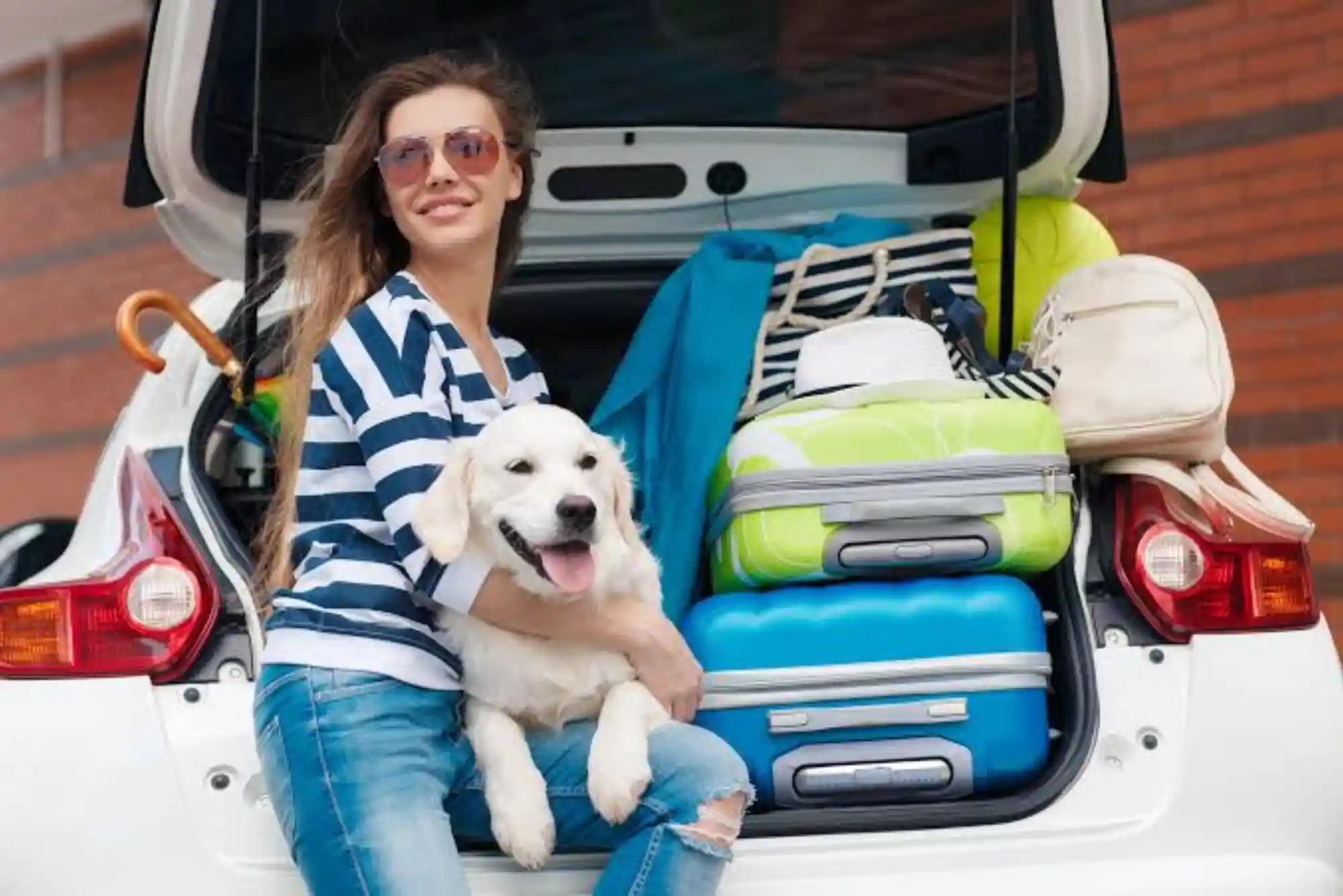
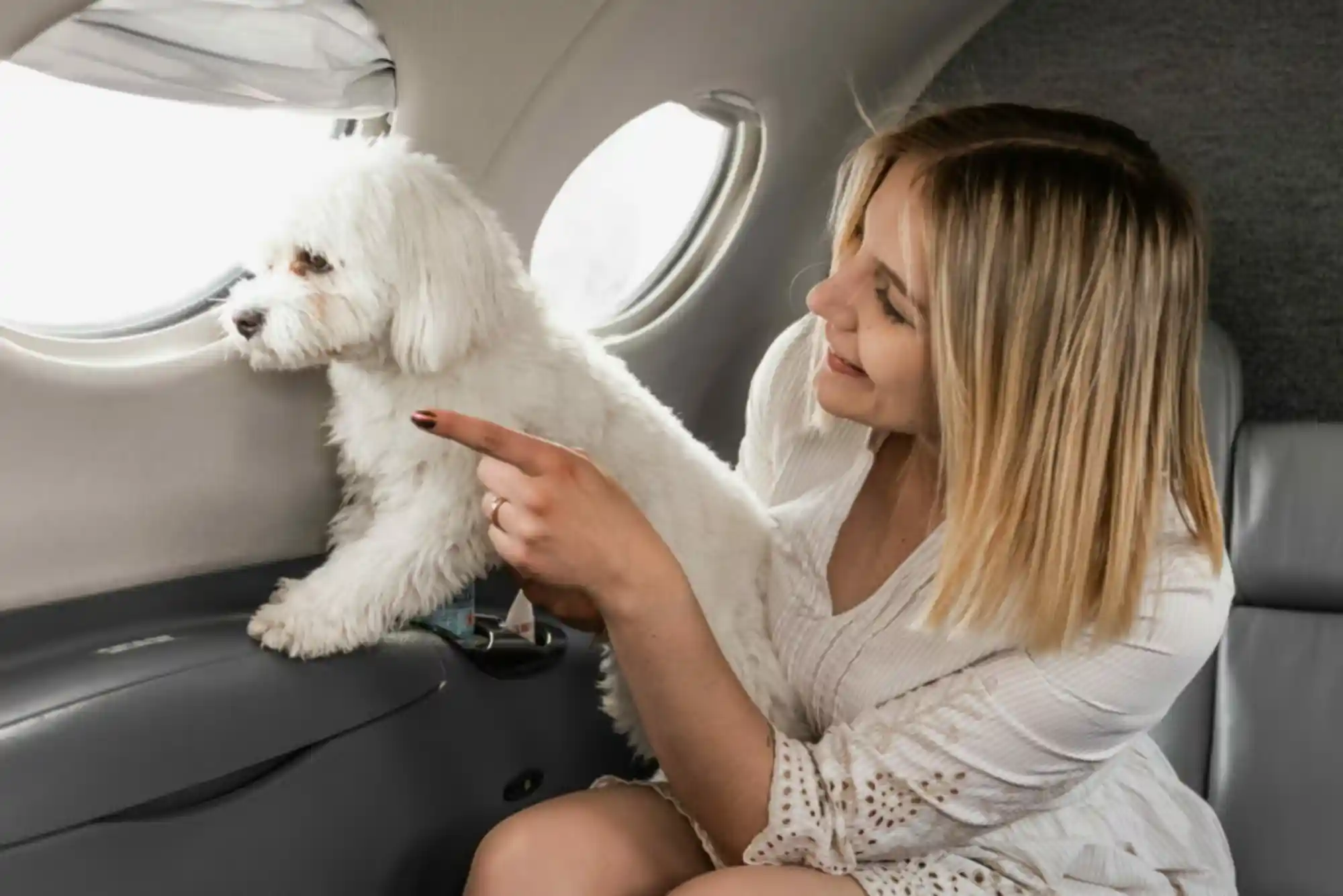
Flying with a dog in cabin can make a journey easier for both you and your pet. However, airlines have strict requirements for pet carriers, cabin space, documentation, and animal behavior. The exact rules can also vary between airlines, aircraft, routes, and countries.
If you are planning a trip with your dog, understanding these requirements before booking can prevent unpleasant surprises at the airport. The Federal Aviation Administration (FAA) allows airlines to establish their own policies for pets traveling in the passenger cabin. Therefore, there is no single weight limit that applies to every airline.
This guide explains Flying with a Dog in Cabin: Airline Weight Limits, Pet Crates, and Rules in practical terms. It covers carrier requirements, weight restrictions, health documents, airport procedures, and preparation tips.
Flying with a Dog in Cabin: Airline Weight Limits, Pet Crates, and Rules
When flying with a dog in cabin, the most important point is that your dog normally must remain inside an approved carrier. The carrier usually needs to fit completely beneath the seat in front of you.
The FAA treats an in-cabin pet container as carry-on baggage. It must remain properly stowed during taxiing, takeoff, landing, and other times when the crew requires it.
Airlines can impose additional requirements. These may cover the dog’s size, carrier dimensions, number of pets allowed, booking procedures, and required documents.

Because policies can change, check your airline’s current pet policy before purchasing your ticket.
For broader travel guidance, resources about Flying With Pets can also help travelers understand the planning involved.
How Much Can a Dog Weigh to Fly in the Cabin?
There is no universal airline weight limit for dogs traveling in the cabin. Instead, each airline establishes its own requirements.
Some airlines use a combined weight limit for the dog and carrier. Others focus more heavily on whether the animal and carrier can fit safely beneath the seat.
This distinction is important because a small dog may meet a weight requirement but still have difficulty fitting comfortably inside the required carrier.
For that reason, do not choose an airline based only on its advertised weight limit. Check the carrier dimensions as well.
The best approach is to measure your dog while standing and compare those measurements with the airline’s approved carrier dimensions. Your dog should be able to remain comfortably inside the carrier without being forced into an unnatural position.
Why Pet Carrier Size Matters
Carrier size is often more important than owners expect. Airlines need the carrier to fit beneath the seat without blocking the aisle or interfering with emergency access.
The FAA states that an approved pet container must be small enough to fit under the seat without blocking a person’s path to the main aisle.
A soft-sided carrier is commonly useful because it can provide some flexibility. However, flexibility does not mean you should purchase a carrier that exceeds the airline’s stated dimensions.
The carrier should also provide adequate ventilation. It should be secure, escape-resistant, and comfortable enough for the duration of the journey.
Before traveling, place your dog inside the carrier at home. Give your pet time to become familiar with it. This can reduce anxiety during airport security and boarding.
Choosing the Right Pet Crate for Cabin Travel
The phrase “pet crate” can sometimes cause confusion because airlines may distinguish between cabin carriers and larger kennels used for other forms of animal transportation.
For cabin travel, you generally need a carrier designed specifically for under-seat placement.
The carrier should have strong closures and good ventilation. It should also allow your dog to remain safely contained throughout the flight.
Avoid choosing a carrier based purely on appearance. A stylish carrier is not useful if it exceeds the airline’s permitted dimensions.
You should also check whether your airline specifies maximum carrier dimensions for your particular aircraft. Aircraft seat configurations can differ, which may affect the available under-seat space.
Airline Rules Can Be Different
One of the biggest mistakes travelers make is assuming that all airlines follow identical pet policies.
They do not.
The FAA allows individual airlines to decide whether they permit pets in the passenger cabin. Airlines may also restrict the number of pets allowed on a particular flight.
Some airlines accept only cats and small dogs. Others may have restrictions based on route, aircraft, cabin class, or destination.
Your airline may also require advance notification and payment of a pet fee. In some cases, cabin pet spaces are limited, so waiting until the day of travel can create problems.
Therefore, contact the airline before booking whenever possible. Confirm that your dog is eligible for cabin travel and that your specific flight can accommodate a pet.
Health Documents and International Travel Rules
Domestic and international pet travel can have very different requirements.
For international journeys, the destination country generally establishes its own entry requirements. These can include vaccinations, health certificates, microchip requirements, tests, treatments, and other documentation.
The U.S. Department of Agriculture’s Animal and Plant Health Inspection Service recommends contacting an accredited veterinarian early when traveling internationally with a pet. Requirements can take time to complete and may have specific deadlines.
Do not assume that an airline’s pet approval means your dog is automatically approved for entry into another country.
These are separate issues.
Your dog can meet the airline’s cabin requirements while still failing to meet the destination country’s import requirements. Always check both before traveling.
Preparing Your Dog for the Flight
Preparation can make Flying with a Dog in Cabin: Airline Weight Limits, Pet Crates, and Rules much easier to manage.
Start carrier training several weeks before departure. Let your dog enter the carrier voluntarily and spend short periods inside it.
Gradually increase the amount of time your dog stays inside. You can place a familiar blanket or safe comfort item inside if the airline permits it.
Airport environments can be noisy and unpredictable. Your dog may encounter crowds, announcements, security screening, and unfamiliar smells.
A gradual introduction to the carrier can help make these experiences less overwhelming.
You should also speak with your veterinarian about your dog’s ability to travel. Certain dogs can have increased risks during air travel, particularly short-nosed breeds. USDA guidance notes that brachycephalic dogs can be more vulnerable to breathing difficulties and heat-related problems during air transportation.
Never give your dog medication for travel unless your veterinarian recommends it.
What Happens at Airport Security?
Airport security procedures can require you to remove your dog from the carrier.
The exact screening process can vary by airport and security authority. Your dog may need to be carried through the screening area while the empty carrier is inspected.
This is one reason a secure harness and leash are useful before entering the screening area.
Keep your dog securely controlled. Airports can be stressful, and an unsecured dog could become frightened and attempt to run.
Allow extra time at the airport. Rushing through security can increase stress for both you and your pet.
Can Your Dog Leave the Carrier During the Flight?
Generally, no.
If your airline permits your dog in the cabin, the pet usually must remain inside the carrier for the flight. The carrier also needs to stay properly stowed according to crew instructions.
The FAA requires an in-cabin pet container to remain properly stowed while the aircraft is moving on the airport surface and during takeoff and landing.
This means you should not plan on letting your dog sit on your lap during the flight.
Flight attendants can also provide instructions about where and how the carrier must be positioned. Always follow crew instructions.
Feeding and Bathroom Planning
Planning your dog’s meals before departure can make the journey more comfortable.
Avoid making major dietary changes immediately before traveling. Give your dog its normal food unless your veterinarian recommends otherwise.
A pre-flight walk can also help your dog burn energy and relieve itself before boarding.
For longer journeys, consider the complete travel timeline. This includes driving to the airport, check-in, security, boarding, flight time, connections, and arrival procedures.
International travel may add customs and veterinary inspection time.
A little planning can prevent unnecessary discomfort.
Flying With Pets: Common Mistakes to Avoid
Many problems happen because travelers check the rules too late.
One common mistake is buying the ticket first and checking the airline’s pet policy afterward. Cabin pet capacity may be limited, even when the airline generally accepts dogs.
Another mistake is purchasing a carrier without checking its exact dimensions.
Travelers can also overlook destination-country requirements. International pet travel can involve paperwork that must be completed weeks or months before departure.
Another issue is assuming that a dog is automatically suitable for air travel because it is small. Size is only one consideration. Health, temperament, breed, age, and travel conditions can also matter.
USDA guidance emphasizes that dogs traveling by air should be healthy, appropriately prepared, and suitable for the journey.
For more practical travel information and pet-friendly planning ideas, explore Travelsneon. With the right preparation, you can make your next flight safer, calmer, and more comfortable for both you and your dog.
Understanding FAA Pet Travel Regulations
Many travelers search for FAA Pet Travel Regulations when planning a flight with their dog.
The FAA’s role is primarily related to aviation safety. It permits airlines to determine whether pets can travel in the passenger cabin and requires approved pet containers to follow applicable carry-on stowage requirements.
You can review official FAA Pet Travel Regulations information before your trip.
However, remember that the FAA is not the only authority involved in pet travel. Airlines, destination governments, border authorities, and veterinary agencies can impose additional requirements.
For international journeys, checking the destination country’s official rules is especially important.
Frequently Asked Questions
Can I take my dog on a plane in the cabin?
Yes, many airlines allow small dogs in the cabin. However, the airline decides whether pets are permitted and establishes its own requirements. Your dog generally needs to remain in an approved carrier under the seat.
What is the maximum weight for a dog to fly in the cabin?
There is no single maximum weight for every airline. Each carrier establishes its own pet policy. Some airlines consider the combined weight of the dog and carrier, while others focus on carrier size and under-seat fit.
Does my dog need a carrier to fly in the cabin?
Generally, yes when traveling as a pet. The carrier must meet the airline’s requirements and fit beneath the appropriate passenger seat. The FAA requires the container to be properly stowed during taxi, takeoff, and landing.
Can my dog sit on my lap during a flight?
Pet dogs normally must remain inside their approved carrier rather than sitting freely on your lap. Airline rules and crew instructions determine how the carrier must be handled throughout the flight.
Do dogs need health certificates to fly?
Requirements vary by airline, route, state, and destination country. International destinations frequently require health documentation, vaccinations, or other veterinary paperwork.
Are all dog breeds allowed to fly?
Not necessarily. Airlines can impose restrictions, and some dogs may face increased travel risks. Short-nosed breeds can be particularly vulnerable to breathing and heat-related problems during air transportation.
Final Thoughts
Flying with a Dog in Cabin: Airline Weight Limits, Pet Crates, and Rules becomes much easier when you plan ahead. The key is to understand that there is no universal airline pet policy.
Check the airline’s current cabin pet rules before booking. Confirm the permitted carrier dimensions and any weight requirements. Then verify documentation and destination-entry rules.