Road Tripping with Dogs: 10 Essential Safety Tips and Packing Checklist
Road trips can be an exciting way to explore new places with your four-legged companion. However, travelling with a dog requires more preparation than simply putting them in the car. From safe restraints to regular breaks, every detail can affect your pet’s comfort and safety. Road Tripping with Dogs: 10 Essential Safety Tips and Packing Checklist provides practical guidance for planning a smoother journey from start to finish.
Whether you are travelling for a weekend or taking a longer driving holiday, preparation makes a significant difference. Dogs can become anxious in unfamiliar surroundings, while long journeys can create risks if they are not properly secured. Fortunately, most problems can be prevented with sensible planning and a little patience.
Road Tripping with Dogs: 10 Essential Safety Tips
A successful journey begins before you leave your driveway. Your dog should be comfortable, properly restrained and prepared for the experience. The following safety tips can help make road travel safer for everyone.
1. Secure Your Dog Properly
Never allow your dog to travel loose inside a moving vehicle. An unrestrained dog can become seriously injured during sudden braking or a collision. They can also distract the driver by moving between seats or climbing towards the dashboard.
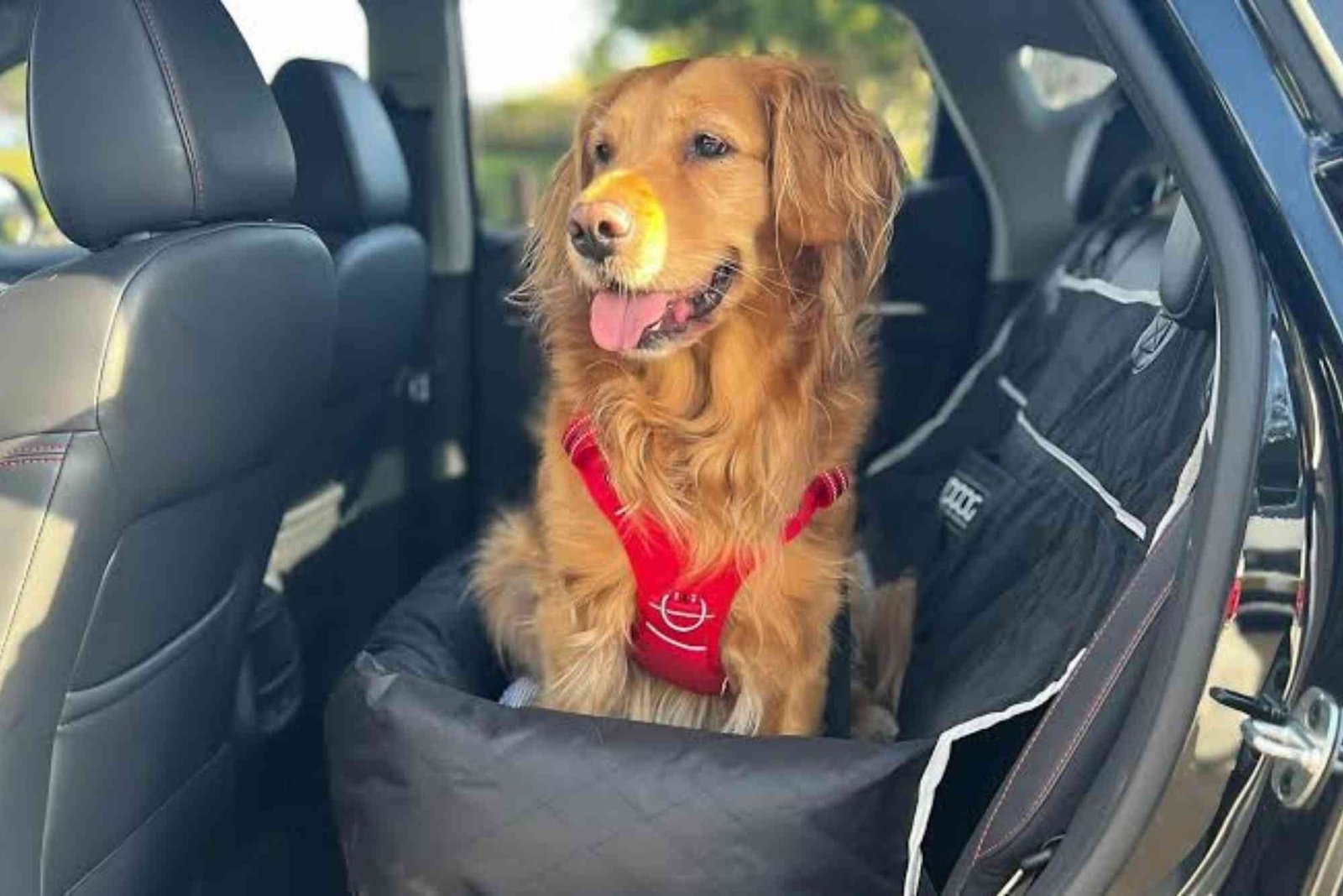
A suitable harness, travel crate or vehicle restraint should keep your dog secure without restricting normal breathing. Crash-Tested Dog Harnesses can provide an additional layer of protection when selected carefully and fitted correctly.
Always follow the manufacturer’s fitting instructions. A restraint should be secure without being painfully tight.

2. Choose the Right Position in the Car
The back seat is generally a better location for dogs than the front passenger seat. Airbags can cause serious injuries to pets during a collision.
A secured travel crate can work well for smaller dogs. Larger dogs may be more comfortable using a properly fitted vehicle harness.
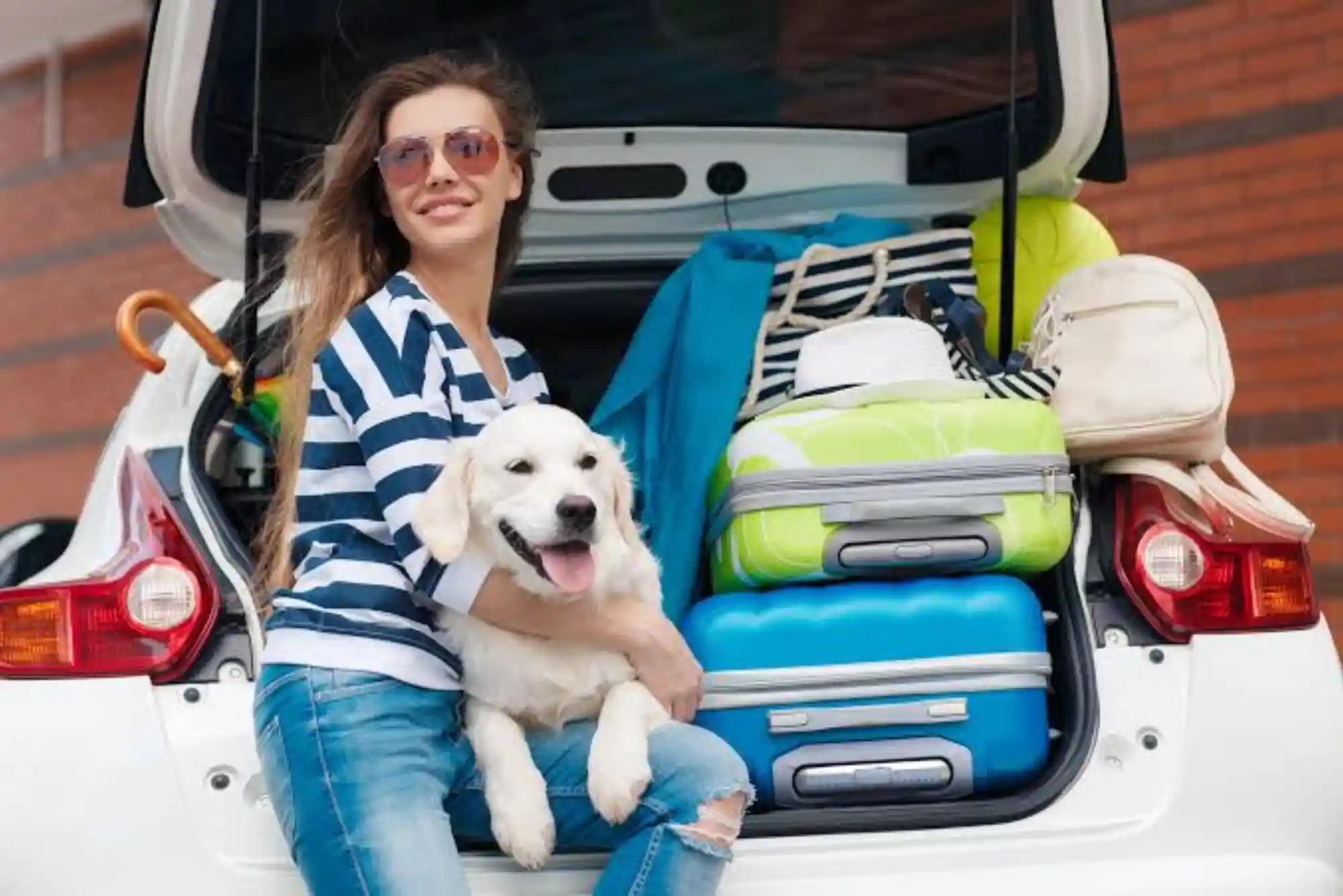
Avoid allowing your dog to ride in the boot of a hatchback without suitable protection. The area should provide adequate ventilation and protection from luggage.
3. Take Regular Breaks
Long journeys can be tiring for dogs. They need opportunities to stretch, drink water and relieve themselves.
Plan stops roughly every two hours when practical. Puppies, older dogs and dogs with specific needs may require more frequent breaks.
Use a lead whenever you leave the vehicle. Even normally obedient dogs can become frightened by traffic or unfamiliar surroundings.
4. Never Leave Your Dog Alone in a Hot Car
A parked vehicle can become dangerously hot surprisingly quickly. Opening a window slightly does not make a hot car safe.
Never leave your dog unattended in a parked vehicle during warm weather. Even a short stop can become dangerous.
If you need to visit somewhere where dogs are not permitted, plan an alternative arrangement before starting your journey.
5. Keep Food and Water Accessible
Dogs need regular access to fresh drinking water, particularly during warm weather. Bring enough water for the entire journey and carry extra for unexpected delays.
A spill-proof travel bowl can make drinking easier inside or outside the vehicle. Avoid encouraging your dog to eat a large meal immediately before travelling.
If your dog is prone to motion sickness, speak with your vet before travelling about suitable options.
6. Keep Identification Details Updated
Your dog’s identification information should be accurate before departure. Check their microchip registration details and ensure their collar tag contains current contact information.
It is also sensible to carry a recent photograph of your dog. This can be extremely useful if they accidentally escape during a roadside stop.
A secure lead and collar should remain available whenever your dog leaves the vehicle.
7. Prepare for Motion Sickness
Some dogs struggle with travelling by car. Signs can include excessive drooling, whining, restlessness or vomiting.
Before a long journey, take shorter drives to help your dog become accustomed to vehicle movement. Gradually increase the distance as they become more comfortable.
Keeping the vehicle cool and allowing fresh air can also help. However, never allow your dog to put their head outside a moving car window.
8. Keep the Car Comfortable
Temperature, noise and movement can influence how your dog behaves during a journey. Maintain comfortable ventilation without directing excessive cold air directly at your pet.
Use a familiar blanket or bedding to create a reassuring environment. Their favourite toy can also provide familiarity during unfamiliar journeys.
Avoid placing heavy luggage around your dog’s space. Items can shift during sudden braking and cause injuries.
9. Plan Your Route in Advance
Good route planning reduces unnecessary stress. Identify suitable places where you can safely stop with your dog.
Check whether accommodation accepts pets before making a reservation. Also consider whether your planned attractions allow dogs.
Road Tripping with Dogs: 10 Essential Safety Tips and Packing Checklist should always include preparation for unexpected delays. Road Trip With Pets Carry extra food, water and essential supplies in case your journey takes longer than expected.
10. Keep Your Dog Calm and Secure
Dogs can react differently to long journeys. Some sleep throughout the trip, while others become anxious or restless.
Remain calm and avoid shouting if your dog becomes unsettled. Familiar scents, comfortable bedding and gradual travel training can make the experience easier.
If your dog shows severe anxiety, consult a veterinary professional before taking a lengthy journey.
What to Pack for a Road Trip with Your Dog
Packing properly can prevent many common travel problems. Instead of relying on roadside shops, prepare a dedicated dog travel bag before leaving home.
| Essential Item | Why You Need It |
|---|---|
| Fresh water | Keeps your dog hydrated |
| Travel water bowl | Makes drinking easier during stops |
| Dog food | Maintains their normal feeding routine |
| Treats | Useful for rewards and reassurance |
| Lead and collar | Provides control during breaks |
| Dog harness | Helps secure your dog safely |
| Bedding or blanket | Provides comfort and familiarity |
| Waste bags | Keeps roadside stops clean |
| Towels | Useful for wet or muddy dogs |
| Dog first-aid supplies | Helps with minor emergencies |
| Medication | Maintains necessary treatment routines |
| Identification details | Helps recover your dog if lost |
| Favourite toy | Provides comfort and distraction |
| Cleaning supplies | Helps manage accidents |
| Spare food and water | Covers unexpected delays |
This packing checklist can be adjusted according to your dog’s age, size, health requirements and personality.
How to Prepare Your Dog Before the Journey
Preparation should begin several days before departure. Start by checking that your dog’s collar, lead and harness fit properly.
If your dog rarely travels by car, introduce them to shorter journeys. Begin with a brief drive around your local area. Then gradually increase the distance.
You can also practise getting into and out of the vehicle. Reward calm behaviour with praise or a small treat.
Travelsneon-style travel planning can be useful inspiration for organising a complete pet-friendly journey. However, always adapt your preparations to your dog’s individual needs.
What Should Your Dog Eat Before a Road Trip?
Feeding immediately before a long drive may increase the risk of nausea for some dogs. A smaller meal several hours before departure may be more comfortable.
However, feeding requirements vary between dogs. Puppies and dogs with specific dietary needs may require a different routine.
Do not suddenly change your dog’s food before travelling. Familiar food is usually preferable because sudden dietary changes can cause digestive problems.
Keep their normal food available throughout the journey and provide fresh water regularly.
How Often Should You Stop During a Dog Road Trip?
There is no universal schedule that suits every dog. However, regular breaks are important during long journeys.
A stop approximately every two hours is a useful starting point for many adult dogs. During each break, give your dog time to stretch, drink and toilet.
Older dogs, puppies and dogs that become uncomfortable quickly may need additional stops.
Choose safe stopping areas away from fast-moving traffic. Always attach the lead before opening the car door.
Making Accommodation Easier for Your Dog
Accommodation should be planned before you begin driving. Confirm the property’s pet policy and check whether additional charges or restrictions apply.
Bring familiar bedding where possible. A familiar sleeping area can help your dog settle after a tiring journey.
Keep your dog supervised in unfamiliar accommodation. New smells, noises and surroundings may cause unexpected behaviour.
You should also maintain their normal feeding and walking routine as much as possible. Familiar routines can reduce travel-related stress.
Common Mistakes to Avoid When Travelling with Dogs
Even careful owners can overlook simple safety issues. One common mistake is allowing a dog to travel without proper restraint.
Another problem is packing too little water. Delays caused by traffic, roadworks or vehicle problems can make journeys considerably longer.
Some owners also forget cleaning supplies. Accidents can happen, particularly when dogs are nervous or travelling for several hours.
Finally, avoid overpacking the vehicle around your dog. Their space should remain comfortable, secure and free from objects that could move during sudden braking.
Road Tripping with Dogs: 10 Essential Safety Tips and Packing Checklist for Emergencies
Every road trip should include a basic emergency plan. Keep your vet’s contact information available and identify veterinary practices near your destination.
Carry essential medication and any important medical information. A basic first-aid kit can also be useful for minor problems.
If your vehicle breaks down, keep your dog secured away from traffic. Do not allow them to wander around a roadside area.
In an emergency, prioritise your dog’s safety while following instructions from roadside assistance or emergency services.
How to Make Long Car Journeys Enjoyable for Dogs
Safety is the priority, but the journey should also be enjoyable. Speak calmly to your dog and maintain a relaxed environment.
Give them opportunities to explore safely during planned breaks. New smells can provide mental stimulation and make stops more enjoyable.
Bring a favourite toy or blanket from home. Familiar objects can reduce anxiety and help your dog feel more secure.
With careful planning, Road Tripping with Dogs: 10 Essential Safety Tips and Packing Checklist can become a practical routine for future adventures.
Frequently Asked Questions
How long can a dog be in a car on a road trip?
Dogs can travel for several hours when they are properly secured and given regular breaks. However, individual tolerance varies. Plan regular stops for water, toilet needs and movement.
What is the safest way for a dog to travel in a car?
A properly fitted vehicle harness or secured travel crate is generally safer than allowing a dog to travel loose. The restraint should be appropriate for the dog’s size and vehicle.
Should dogs wear a harness in the car?
A suitable car harness can help prevent a dog from moving freely around the vehicle. For better protection, choose a product designed and tested specifically for vehicle travel.
How often should I stop when travelling with my dog?
Many adult dogs benefit from a break approximately every two hours. Puppies, elderly dogs and dogs with particular needs may require more frequent stops.
Can dogs travel long distances in a car?
Yes, many dogs can travel long distances when they are prepared properly. Gradual training, comfortable conditions, appropriate restraints and regular breaks can make longer journeys easier.
What should I pack for my dog on a road trip?
Bring food, water, a travel bowl, lead, harness, bedding, waste bags, towels, medication, identification details and cleaning supplies. Extra supplies are useful for unexpected delays.
How do I stop my dog from getting car sick?
Gradually introduce your dog to car travel and avoid giving a large meal immediately before driving. Keep the vehicle comfortable and discuss persistent motion sickness with your vet.
Conclusion
Road Tripping with Dogs: 10 Essential Safety Tips and Packing Checklist is ultimately about preparation, patience and responsible driving. A secure dog, regular breaks, sufficient supplies and sensible route planning can make a major difference.
Before setting off, check your dog’s restraint, food, water, identification and travel equipment. Then review your route and identify safe places for breaks.
A well-prepared journey allows you to focus on enjoying the adventure rather than dealing with avoidable problems. Whether you are planning a short countryside drive or a cross-country holiday, your dog’s safety should remain a priority.
Start preparing today, create your own dog travel bag and check every item before you leave. With the right preparation, your next road trip can be safer, calmer and far more enjoyable for both you and your canine companion.