
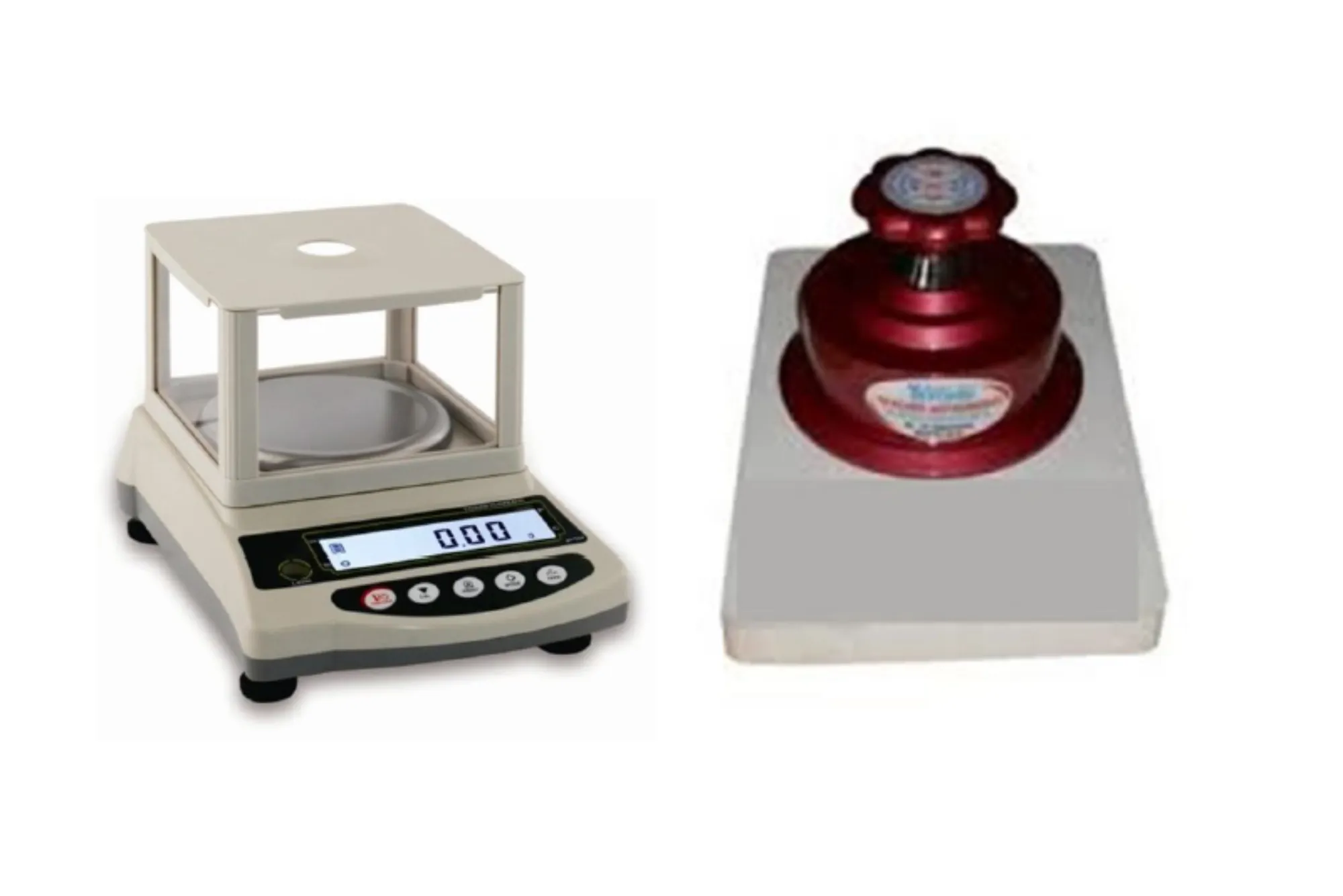
Accurate measurement of fabric shrinkage is crucial for textile manufacturers, tailors, and eCommerce businesses. Shrinkage affects garment fit, fabric performance, and customer satisfaction. Whether you are in Lahore, Karachi, Dubai, or Abu Dhabi, understanding how to measure shrinkage reliably is key to reducing wastage and maintaining quality. Modern tools, like the textile shrinkage calculator, provide precise results in minutes, ensuring you stay ahead in a competitive market.
Why Fabric Shrinkage Measurement Matters
Quick Answer: Fabric shrinkage affects product quality, sizing accuracy, and customer satisfaction.
-
Shrinkage leads to garments losing shape after washing.
-
Accurate measurement prevents financial losses due to returns or rework.
-
Supports compliance with textile industry standards, such as ASTM D2594.
Expert insight: “Precise shrinkage measurement is no longer optional—it’s a necessity for manufacturers targeting high-quality outputs,” says Dr. Ayesha Malik, Textile Quality Consultant, Pakistan.
Methods to Measure Fabric Shrinkage
Quick Answer: Shrinkage can be measured through pre-wash, post-wash, and standardized lab methods.
-
Water Shrinkage Test: Wash fabric under controlled conditions and measure dimensional changes.
-
Dry Heat Test: Simulates industrial drying conditions for shrink-prone textiles.
-
Laboratory Standards: ASTM and ISO methods ensure consistency across production.
For home or small-scale operations, digital solutions like the textile shrinkage calculator simplify these measurements.
Tools You Can Use for Accurate Shrinkage Measurement
Quick Answer: Modern calculators and software improve accuracy and save time.
-
Digital rulers and scanners for precise pre- and post-wash measurements.
-
Textile shrinkage calculator: Computes shrinkage percentages instantly.
-
Mobile apps with AI-powered fabric recognition for small businesses.
These tools are particularly useful in regions like Pakistan, where SMEs are increasingly leveraging technology for quality assurance.
Step-by-Step Guide to Measuring Fabric Shrinkage
Quick Answer: Follow a systematic approach for reliable results.
-
Cut a standard fabric swatch (e.g., 30×30 cm).
-
Measure and note initial dimensions.
-
Wash the fabric according to recommended standards.
-
Dry using intended conditions (air or machine drying).
-
Measure post-wash dimensions.
-
Calculate shrinkage using:
Shrinkage %=Original Length−Final LengthOriginal Length×100\text{Shrinkage \%} = \frac{\text{Original Length} – \text{Final Length}}{\text{Original Length}} \times 100Shrinkage %=Original LengthOriginal Length−Final Length×100
Common Causes of Fabric Shrinkage
Quick Answer: Understanding causes helps prevent issues during production.
-
Fiber Type: Cotton and wool shrink more than synthetics.
-
Weave Structure: Loose weaves shrink more than tight ones.
-
Finishing Treatments: Some dyes or chemicals can alter fabric stability.
-
Washing Conditions: Temperature, agitation, and detergents impact shrinkage.
By anticipating these factors, UAE-based textile firms can improve product longevity and customer trust.
Fabric Shrinkage in Garment Manufacturing
Quick Answer: Shrinkage affects sizing, patterns, and final garment fit.
-
Pre-wash fabrics to stabilize dimensions before cutting patterns.
-
Adjust pattern measurements to compensate for expected shrinkage.
-
Implement quality control checks at each stage of production.
Many manufacturers in Pakistan’s textile hubs, including Faisalabad and Karachi, have adopted automated shrinkage measurement to enhance efficiency.
Digital Solutions for Textile Professionals
Quick Answer: Software tools streamline measurement and reporting.
-
Platforms like Needs Calculator official site offer calculators for shrinkage and GSM.
-
Integration with ERP systems allows manufacturers to track and predict shrinkage patterns.
-
Provides instant reporting for compliance and client communication.
For UAE operations, these solutions align with initiatives supporting digital transformation in manufacturing sectors.
Training and Skill Development in Shrinkage Measurement
Quick Answer: Skilled professionals are essential for accurate results.
-
Pakistan’s Textile Institute offers government-backed programs in textile testing.
-
UAE-based youth programs in Abu Dhabi and Dubai provide hands-on textile technology training.
-
Continuous learning ensures adherence to international standards, reducing product defects.
Best Practices for Accurate Results
Quick Answer: Consistency and standardization ensure reliable measurements.
-
Always use same washing and drying conditions.
-
Measure multiple swatches for statistical reliability.
-
Document results for future reference and audits.
-
Adopt digital tools for repeatable accuracy, like the textile shrinkage calculator.
UAE Episode: Local Market Insights
Quick Answer: UAE textile businesses benefit from precision measurement for competitive advantage.
Dubai and Abu Dhabi see growing demand for premium fabrics, especially from small retail chains. Accurate shrinkage data helps suppliers guarantee product quality, reducing returns and building brand trust. Local government initiatives support youth engagement in textile innovation, encouraging adoption of tools like Needs Calculator official site.
FAQs
1. What is the best method to measure fabric shrinkage at home?
-
Pre- and post-wash measurement with a ruler and simple calculations or a textile shrinkage calculator.
2. How much does cotton typically shrink after first wash?
-
Cotton can shrink 2–5%, depending on weave and finishing.
3. Can synthetic fabrics shrink?
-
Yes, but usually less than natural fibers. Heat exposure is the main cause.
4. Why is shrinkage measurement critical for online clothing stores?
-
Prevents returns and enhances customer satisfaction by ensuring accurate sizing.
5. Are there digital tools for measuring fabric shrinkage?
-
Yes, platforms like Needs Calculator official site provide instant calculations.
6. Does shrinkage differ by country?
-
Climate and washing habits affect results, but fiber type and treatment are primary factors.
7. How do UAE manufacturers ensure consistency?
-
Using standardized tests, training programs, and digital calculators.
Final Thought
As someone deeply involved in Pakistan’s textile industry, I can attest that accurate shrinkage measurement is a game-changer. Local manufacturers in Karachi and Faisalabad, as well as UAE businesses, benefit from combining traditional techniques with modern digital tools. Leveraging platforms like the textile shrinkage calculator and supporting youth-focused training programs ensures a new generation of skilled professionals. Investing time in precision now prevents losses, enhances product quality, and builds trust with consumers. Ultimately, a culture of measurement excellence strengthens both the local and international textile markets.