Introduction
Traveling by train can be easier for pets than flying. However, every rail operator has different rules. Some allow small dogs and cats in carriers. Others restrict ordinary pets on international routes. Assistance animals usually have separate requirements.
This guide explains Pet-Friendly Train Travel: Amtrak, Eurostar, and UK Rail Policies Explained in practical terms. It covers major rules, carrier requirements, reservations, documentation, and international considerations. Policies can change, so always confirm the final requirements before departure.
For pet owners, understanding the rules early prevents stressful surprises at the station. It also helps you choose a route that suits your animal.
Understanding Pet-Friendly Train Travel
Pet-friendly train travel generally falls into two categories. The first covers ordinary household pets traveling with their owners. The second covers guide and assistance animals.
These categories should not be confused. A pet policy may require a carrier and a separate reservation. Assistance animals can have broader access rights.
Amtrak, Eurostar, and UK rail services demonstrate these differences clearly. Their policies depend on the route, animal type, size, and journey.

Therefore, checking the operator’s rules is essential before buying a ticket.
Amtrak Pet-Friendly Train Travel Rules
Amtrak permits small dogs and cats on many trains. The current policy allows pets weighing up to 20 pounds. This includes the combined weight of the pet and carrier.
Pet reservations are required, and availability can be limited. Amtrak charges a pet fee for each travel segment. Therefore, booking early can be important during busy periods.
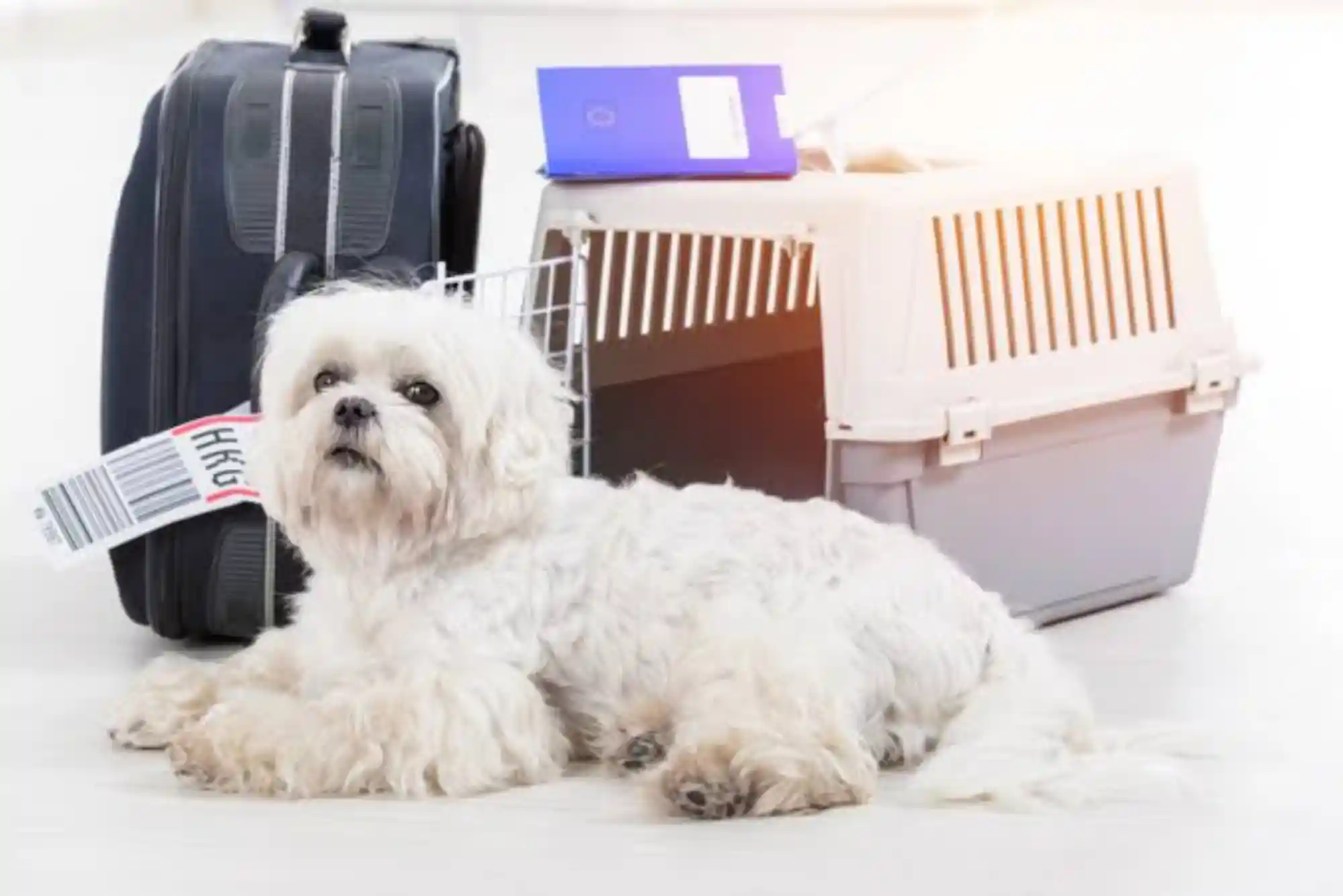
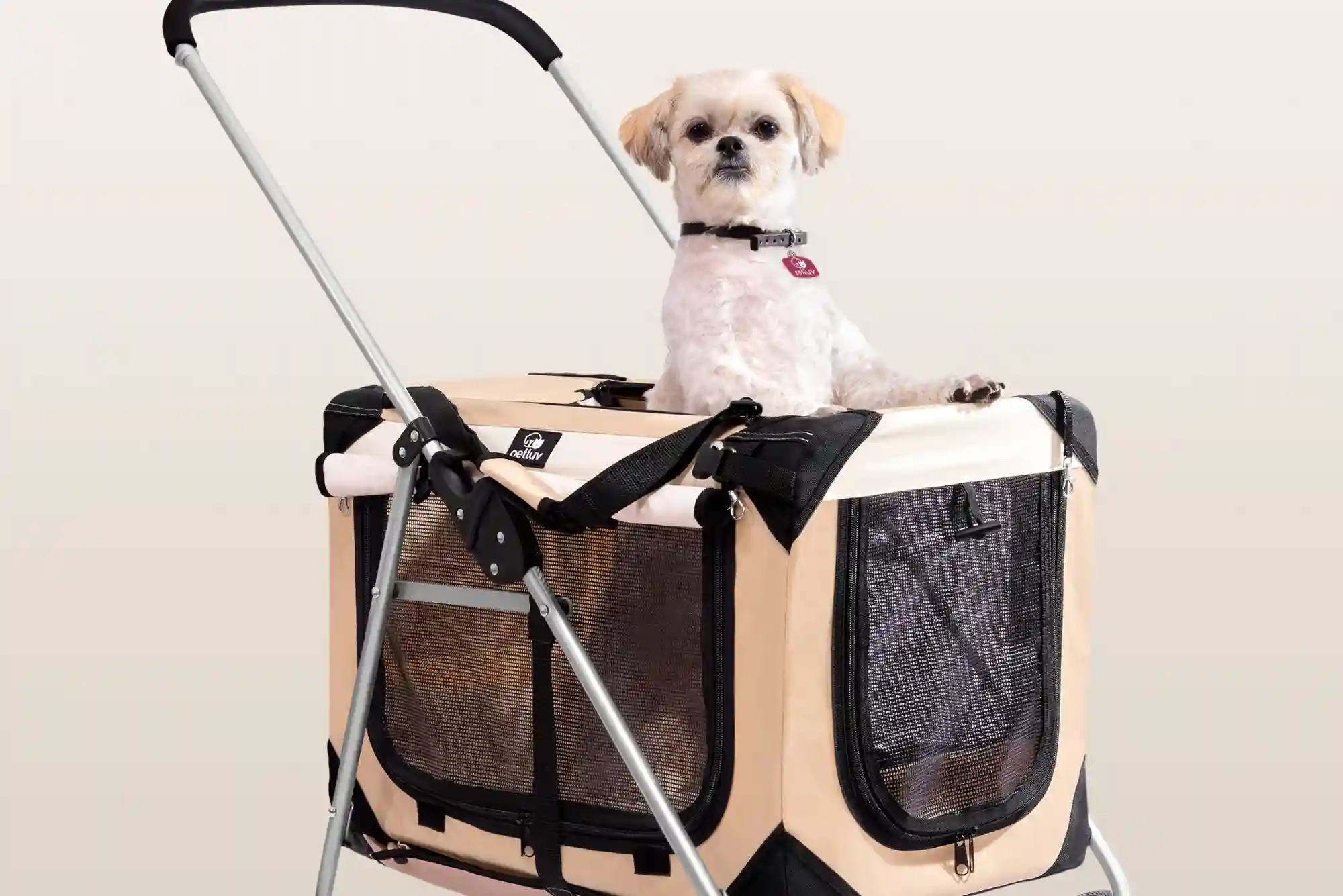
The pet must remain inside an approved carrier throughout the journey. The carrier must be leak-proof and properly ventilated. Its maximum dimensions are 19 by 14 by 10.5 inches.
The animal must also fit comfortably inside. It should be able to sit and lie down without touching the carrier walls.
Amtrak generally limits pet journeys to seven hours. This includes transfer time on qualifying multi-segment trips. Some routes also have additional restrictions.
For example, pets cannot travel in food service cars. They are also restricted from certain premium accommodations. Specific services, including some Canadian and connecting routes, have additional limitations.
Because of these differences, checking the exact train is just as important as checking Amtrak’s general pet policy.
Preparing Your Pet for Amtrak
A carrier-trained pet usually has an easier journey. Begin by allowing your pet to spend short periods inside the carrier. Gradually increase the duration before your travel date.
Avoid introducing a new carrier immediately before departure. Your pet should already associate it with a safe and familiar environment.
A small supply of water, familiar bedding, and waste supplies can also make the journey easier. However, everything should remain manageable within your travel space.
Eurostar Pet-Friendly Train Travel Policies
Eurostar has a major distinction that travelers must understand. Ordinary pets cannot travel on Eurostar services to and from London. This restriction applies even though pets are accepted on several continental routes.
Pets are also restricted on certain routes between Brussels and Lille. Eurostar’s Sun and Snow services have their own pet restrictions as well.
However, ordinary pets are permitted on other Eurostar routes between Belgium, France, Germany, and the Netherlands. The requirements depend on the animal’s size and how it travels.
Small domestic animals weighing less than 6 kilograms can travel free. They must remain inside a carrier no larger than 45 by 30 by 25 centimeters.
Larger dogs can travel without a carrier on qualifying continental routes. They require a specific dog fare and must remain leashed and muzzled. They can sit on the owner’s lap or remain on the floor.
Eurostar also limits the types of animals it accepts. Dangerous dogs, wild animals, and birds are not permitted under its ordinary pet rules.
Traveling to London With an Assistance Animal
Eurostar treats guide and assistance animals differently. Guide dogs, assistance dogs, and assistance cats can travel to and from London under specific conditions.
Passengers must contact Eurostar before traveling. Current guidance requires advance contact and pre-approval for journeys involving assistance animals to London.
Documentation requirements can include a microchip, valid rabies vaccination, and appropriate pet travel documentation. Dogs traveling to the UK may also need valid tapeworm treatment.
Eurostar advises passengers to arrive at least 60 minutes before departure. Staff must complete the final document checks before the animal enters the train.
These requirements are particularly important because UK border rules apply. Missing documentation can cause serious travel problems.
UK Rail Pet-Friendly Train Travel
UK domestic rail travel is generally more accommodating to ordinary pets. However, rules can vary between operators and individual services.
Dogs are commonly permitted on UK trains. Cats and other small animals may also travel when properly contained. Operators can impose reasonable conditions for safety, cleanliness, and passenger comfort.
The distinction between domestic travel and international entry is crucial. Traveling with a pet within Great Britain is different from bringing an animal into Great Britain from another country.
When entering Great Britain with a dog, cat, or ferret, government pet travel requirements apply. These can include microchipping, rabies vaccination, and approved travel documentation. Dogs may also need tapeworm treatment depending on the route.
The UK government also states that travelers must use approved routes in relevant international circumstances. Those routes and companies can change, so checking current requirements is essential.
Assistance Dogs on UK Trains
Assistance dogs receive stronger protections than ordinary pets. UK rail companies must accept assistance dogs, although individual operators can have additional conditions.
Passengers should therefore contact the relevant operator before traveling. This can help arrange assistance at stations and clarify boarding procedures.
For international journeys, additional border requirements still apply. An assistance dog does not automatically bypass pet travel regulations.
The UK government maintains a current list of registered transport companies and routes for assistance dogs. This information is particularly useful when crossing borders.
Pet-Friendly Train Travel Across International Borders
International train travel requires more planning than domestic journeys. A pet may be allowed on the train but still require specific documents for the destination country.
Great Britain has detailed rules for animals entering or returning to the country. These rules apply to dogs, cats, and ferrets.
Travelers may need a microchip, rabies vaccination, and an appropriate pet travel document. Depending on the origin and circumstances, additional requirements can apply.
The route itself also matters. A train company may accept an animal on one route while refusing pets on another. Eurostar is a clear example.
Consequently, never assume that a pet-friendly European train automatically permits pets across every border.
Choosing the Right Carrier for Train Travel
A suitable carrier is one of the most important parts of pet-friendly train travel. It should be secure, comfortable, ventilated, and easy to handle.
Before purchasing one, check the carrier dimensions required by your operator. Amtrak and Eurostar use different size requirements.
Your pet should also have enough room to change position comfortably. At the same time, the carrier must remain small enough for the designated travel space.
Introduce the carrier well before your trip. Short practice sessions can make the final journey considerably calmer.
Avoid feeding a large meal immediately before departure. A normal routine is usually easier for pets than major changes.
Making the Journey More Comfortable
A calm pet usually makes the journey easier for everyone. Start with a familiar routine before leaving home.
Take your dog outside before boarding whenever possible. For cats and other small animals, provide appropriate preparation before entering the station.
Keep essential supplies accessible. Water, waste bags, cleaning materials, medication if prescribed, and familiar bedding can all be useful.
Noise can also affect animals. Busy stations contain announcements, crowds, luggage, and sudden movements. A familiar carrier can provide a secure environment.
During the trip, monitor your pet without repeatedly disturbing it. Excessive handling can increase anxiety.
Most importantly, follow the operator’s instructions. Staff rules exist to protect both animals and passengers.
Common Mistakes Pet Owners Should Avoid
One common mistake is assuming that every train follows the same policy. It does not.
Another mistake is booking a passenger ticket without confirming pet availability. Some services limit the number of pets allowed.
Travelers also sometimes confuse ordinary pets with assistance animals. Different rules apply to these categories.
International travelers can make another serious mistake by checking only the train company’s rules. Border regulations must also be considered.
Finally, avoid waiting until departure day to confirm documentation. Government requirements and operator procedures may involve advance preparation.
Frequently Asked Questions
Can I take my dog on an Amtrak train?
Yes, small dogs can travel on many Amtrak trains. The combined pet and carrier weight must generally be 20 pounds or less. Pet reservations are required, and trips are generally limited to seven hours.
Can I take a cat on Amtrak?
Yes. Amtrak permits cats on many eligible trains. The cat must remain inside an approved carrier throughout the journey. The combined weight of the pet and carrier cannot exceed 20 pounds.
Are pets allowed on Eurostar?
It depends on the route. Ordinary pets are not permitted on Eurostar trains to and from London. They are accepted on several continental routes between Belgium, France, Germany, and the Netherlands.
Can I take my dog on a UK train?
Dogs are generally permitted on UK rail services, although individual operators can have additional conditions. Assistance dogs have separate protections and requirements.
Do pets need passports for UK train travel?
A pet traveling domestically within Great Britain does not simply need a passport because it is on a train. However, international entry requirements can require specific pet travel documentation.
Can an assistance dog travel on Eurostar?
Yes, assistance dogs can travel on qualifying Eurostar services. However, journeys to and from London require advance arrangements and appropriate documentation.
Conclusion
Pet-Friendly Train Travel: Amtrak, Eurostar, and UK Rail Policies Explained shows why preparation matters. Amtrak generally accommodates small dogs and cats under defined conditions. Eurostar allows pets on several continental routes but restricts ordinary pets on London services. UK rail travel is generally pet-friendly, while international entry introduces additional requirements.