
Introduction
Tenerife, the largest of Spain’s Canary Islands, is a paradise for hikers. Its diverse landscapes, from volcanic peaks to lush forests, offer trails that suit both beginners and experienced adventurers. This trail guide — hiking near Tenerife: routes, distance & tips — provides everything you need to plan a memorable hike on this stunning island. Whether you’re aiming for a day trip or a challenging trek, Tenerife’s trails promise breathtaking views and a deep connection with nature.
Hiking in Tenerife
Tenerife’s unique geography makes it an ideal hiking destination. The island is dominated by Mount Teide, Spain’s highest peak, surrounded by volcanic landscapes, pine forests, and dramatic cliffs. Coastal paths reveal hidden beaches and sea views, while interior trails wind through lush valleys. Hiking here combines physical challenge with natural beauty, offering photographers, nature enthusiasts, and adventure seekers an unforgettable experience.
The island’s climate is another advantage. Mild temperatures year-round make hiking comfortable in winter and spring. Summer can be hotter, especially in the south, so early starts or shaded routes are recommended. Understanding Tenerife’s terrain, distances, and route options ensures safe and rewarding hikes.
Popular Hiking Trails in Tenerife
Mount Teide National Park
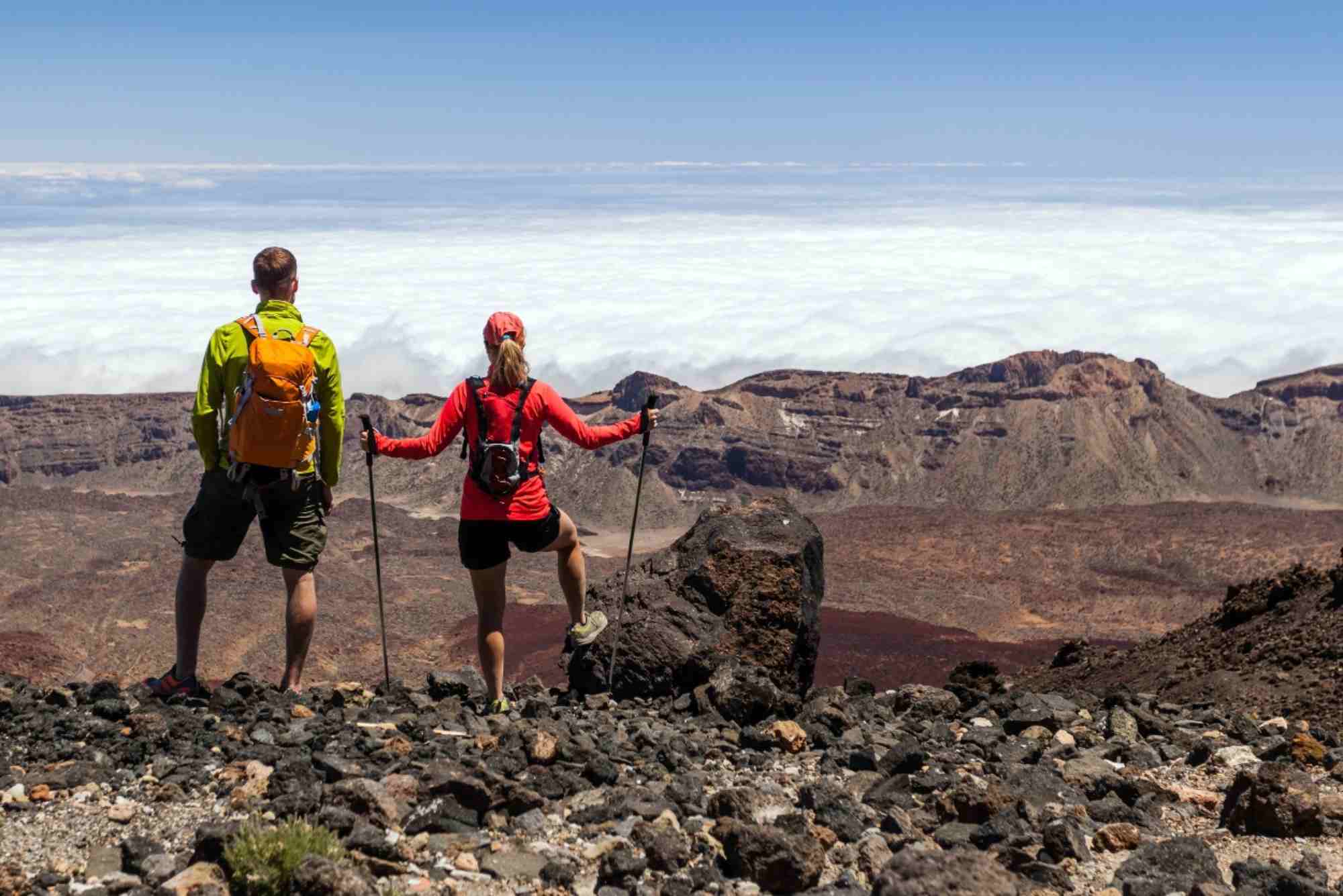
Mount Teide dominates Tenerife’s landscape. Its volcanic scenery and unique flora make it a must-visit for hikers. Several trails lead up and around the park, catering to various skill levels. The Sendero de Montaña Blanca is a challenging route ascending to the Teide summit. This trail spans approximately 8 kilometers one-way with steep inclines and rocky terrain. Hikers should prepare for temperature drops at higher elevations and carry sufficient water.
For a less strenuous option, the Roques de Garcia trail offers spectacular volcanic rock formations, lava fields, and panoramic views of the island. This loop trail is about 3 kilometers long and suitable for families and casual hikers. It’s ideal for photography, especially during sunrise or sunset.
Anaga Rural Park
Located in the northeastern tip of Tenerife, Anaga Rural Park is renowned for its laurel forests and misty valleys. Trails here vary from short walks to multi-hour hikes. The Cruz del Carmen to Chinamada trail is among the most scenic, taking approximately 4–5 hours. Hikers traverse dense forests, moss-covered rocks, and remote villages.
Anaga’s network of paths often intersects, allowing hikers to create custom routes based on time and difficulty. The park’s biodiversity, including endemic plants and birds, makes it a paradise for nature lovers. Weather can change rapidly, so layering clothing is advisable.
Masca Valley Trail
The Masca Valley trail is one of Tenerife’s most famous hikes. Starting in the mountain village of Masca, the trail descends 3–4 kilometers to the coast. It passes through narrow ravines, terraced cliffs, and dramatic rock formations. This hike is challenging due to its steep slopes and rocky terrain, but the reward is a stunning view of the Atlantic Ocean at the valley’s end.
Many hikers combine the Masca trail with a boat ride back to Los Gigantes. This combination allows for a unique perspective of Tenerife’s cliffs from the sea. Early starts are recommended to avoid midday heat and crowds.
Barranco del Infierno
Located near Adeje in southern Tenerife, Barranco del Infierno is a popular trail for families and beginners. The 6.5-kilometer round-trip hike leads to a waterfall nestled in a scenic canyon. The path is well-maintained with signage and resting spots. Because the area is protected, visitor numbers are limited, so booking in advance is essential.
This trail offers a mix of mild inclines, lush vegetation, and rock formations, making it accessible while still delivering a sense of adventure. Guided tours are available for those interested in local flora and geology.
Los Gigantes Cliffs and Coastal Routes
For hikers who prefer coastal scenery, the trails around Los Gigantes cliffs are perfect. These paths provide breathtaking views of the ocean and sheer cliffs that drop into the sea. The trails vary in length from short 2-kilometer walks to longer coastal hikes exceeding 6 kilometers. The terrain can be rocky and exposed to sun and wind, so sunscreen and proper footwear are essential.
These coastal routes are less challenging than mountain trails but equally rewarding. They are ideal for combining with swimming or snorkeling stops along the beach.
Distance, Difficulty, and Planning Tips
Hiking in Tenerife requires understanding trail distances and difficulty levels. Trails range from short 2–3 kilometer walks to full-day or multi-day hikes. Elevation changes are significant, especially in volcanic areas. Beginners should start with easier trails like Roques de Garcia or Barranco del Infierno. Intermediate hikers may enjoy Masca Valley, while experienced adventurers can tackle Teide’s summit trails.
Some practical tips to ensure safe and enjoyable hikes include:
-
Timing: Start early, especially for longer hikes, to avoid the midday sun and allow time for return before dusk.
-
Footwear: Sturdy hiking boots with good traction are crucial for volcanic and rocky terrain.
-
Hydration and Nutrition: Carry at least 1.5 liters of water per person and light snacks for energy.
-
Clothing: Layered clothing works best, as temperatures can vary from warm valleys to cold mountaintops.
-
Maps and GPS: Trails are generally well-marked, but carrying a map or using a GPS app ensures safety in remote areas.
-
Permits: Certain areas, like the Teide summit, require permits, so plan ahead.
-
Local Advice: Check local conditions or seek guidance from visitor centers for recent trail updates or closures.
Seasonal Considerations
Tenerife’s climate is mild, but trail conditions change with the seasons. Winter can bring cooler temperatures at higher altitudes and occasional snow on Mount Teide. Spring and autumn are ideal for hiking with moderate temperatures and fewer crowds. Summer trails in southern Tenerife may be hot, requiring early morning hikes or shaded routes. Rain is rare in the south but more common in northern forests, so waterproof gear can be useful.
Wildlife and Flora
Hiking near Tenerife also means encountering unique flora and fauna. The laurel forests in Anaga are home to endemic plants like the Canarian laurel and a variety of mosses and ferns. Birds such as the Tenerife blue chaffinch and Canarian kestrel are often spotted along trails. In coastal areas, marine life can be visible from cliff viewpoints, including dolphins and seabirds. Respecting wildlife and following local conservation rules enhances the hiking experience.
Safety Tips
While Tenerife is generally safe for hikers, some precautions are necessary. Avoid hiking alone in remote areas, especially on challenging trails like Masca or Teide summit. Mobile signal may be limited in valleys and mountain passes. Watch for sudden weather changes, particularly in Anaga and high-altitude routes. Inform someone of your hiking plan and expected return time. Sun protection is essential year-round due to Tenerife’s strong UV index.
Tenerife offers an unrivaled combination of volcanic landscapes, lush forests, and stunning coastal views, making it a top destination for hiking enthusiasts. This trail guide — hiking near Tenerife: routes, distance & tips — equips travelers with the knowledge to explore safely and enjoyably. From beginner-friendly paths to challenging summit climbs, every hiker can find a route that matches their ability and interests.
Whether you are seeking panoramic vistas, serene forests, or dramatic ravines, Tenerife’s trails deliver unforgettable experiences. Prepare your gear, plan your route, and immerse yourself in the natural beauty of this Canary Island. Adventure awaits on Tenerife’s trails. Start planning your hike today and discover the island’s most scenic landscapes.
FAQs
What are the best easy hikes in Tenerife?
Trails like Roques de Garcia and Barranco del Infierno are perfect for beginners and families.
How long does it take to hike Mount Teide?
The Sendero de Montaña Blanca trail to the summit takes about 6–8 hours, depending on pace and conditions.
Do I need a permit to hike Teide?
Yes, permits are required for the summit path and should be booked in advance online.
When is the best time to hike in Tenerife?
Spring and autumn offer moderate temperatures and fewer crowds, while winter is cooler at high altitudes.
Are guided hikes available in Tenerife?
Yes, guided tours are offered in areas like Anaga and Masca Valley, providing local knowledge and safety guidance.
Is it safe to hike alone in Tenerife?
Hiking alone is possible on popular trails, but it is safer to hike with others on remote or challenging routes.
Exploring Tenerife on foot is an experience that stays with you long after your return. With careful planning, the right gear, and a sense of adventure, these trails reveal the island’s stunning diversity and natural wonders. Whether you’re scaling volcanic peaks or strolling along coastal cliffs, Tenerife promises a hiking adventure you will never forget.